Table of contents
Airfares are volatile, overtourism headlines keep piling up, and destinations from Venice to Machu Picchu are tightening rules to protect residents and heritage, so a growing number of travellers are asking a different question before they book: what if going slower is the only way to go deeper? Slow travel, once a niche ideal, is increasingly framed as a practical response to crowds, climate anxiety and budget pressure, and it can also transform what you actually do on the ground, because time changes the quality of an experience.
When time becomes your best itinerary
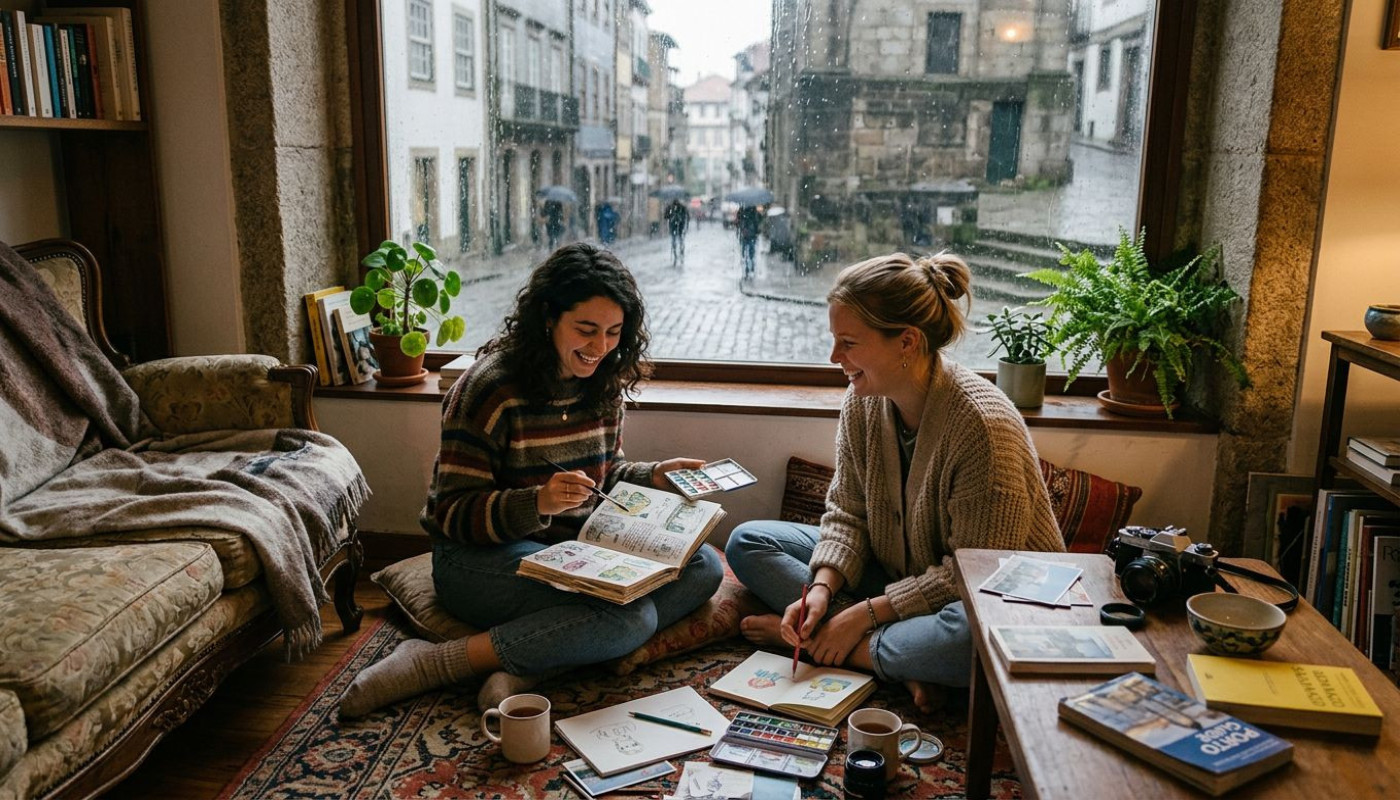
Forget the checklist; what do you remember a year later? Research consistently shows that memory is less about the number of sights and more about the intensity of a few moments, and slow travel is built to engineer those moments by giving them room. In behavioural science, “time affluence” describes the feeling of having enough time, and studies have linked it to higher well-being than material affluence; travelling is no exception. When days are packed with transfers, timed tickets and long lines, attention narrows to logistics, but when you have slack in the schedule, the brain is freer to encode the texture of a place, the smells of a market, the cadence of a language, the quiet between landmarks.
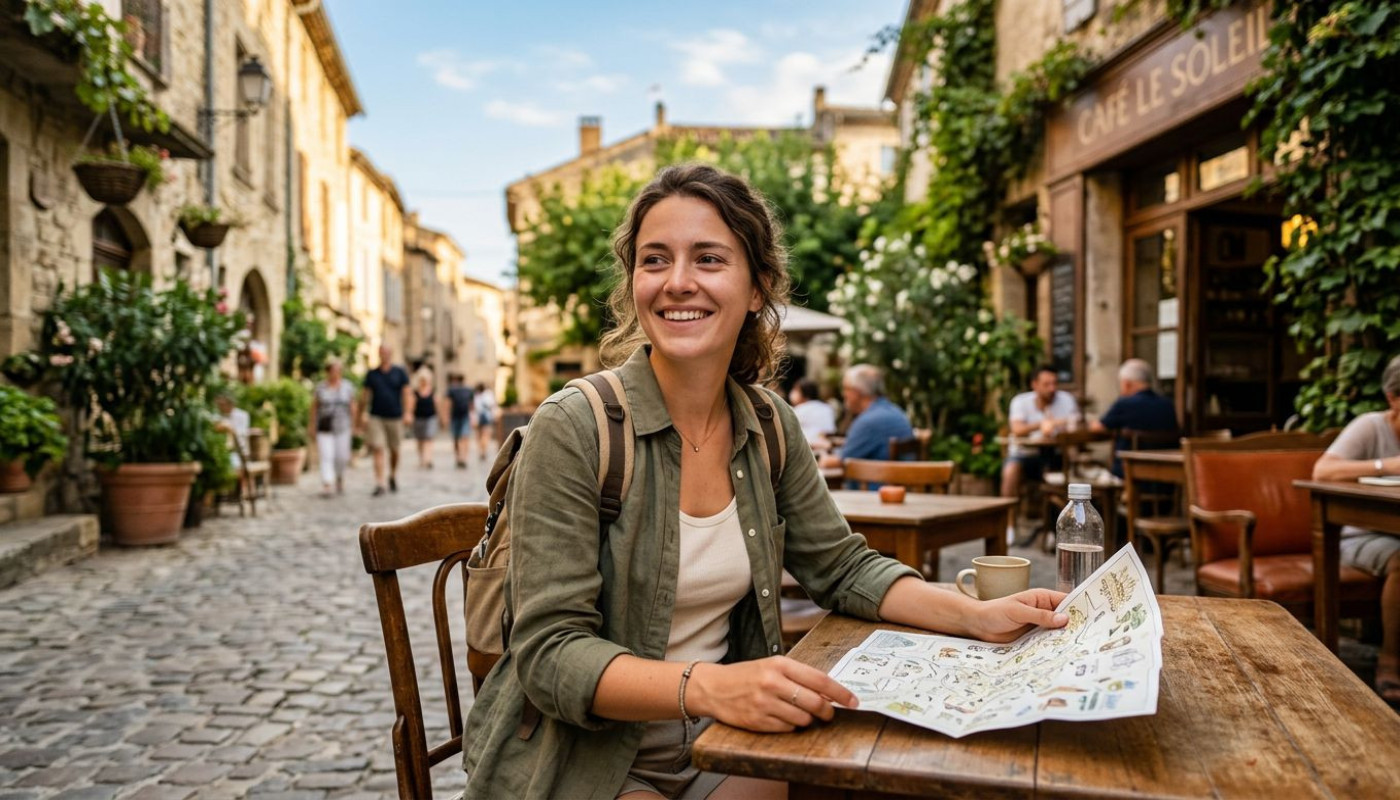
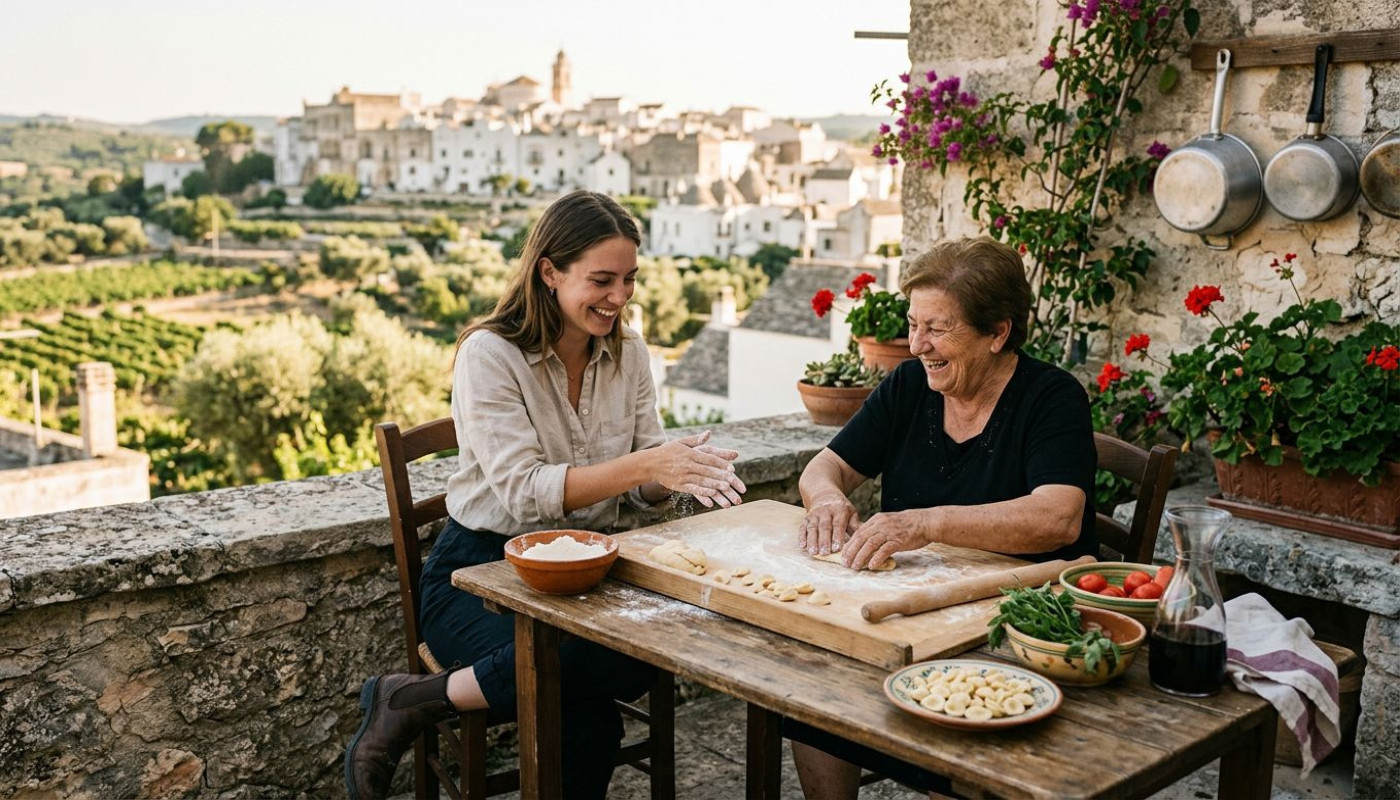
The shift also changes your activity menu in concrete ways. You stop selecting experiences that fit a two-hour window and start choosing those that require presence: a half-day cooking class that begins at the stall with a chef, a sunrise walk that depends on weather, a workshop where you fail a few times before you learn. Even in heavily visited regions, slow travel increases your odds of getting beyond the “front stage” of tourism, because the second layer of a destination often sits outside peak hours and outside the obvious neighbourhoods. Staying longer in one base can mean visiting a museum late in the day when school groups leave, taking a coastal train instead of a flight, or returning to the same café until the staff recognise you, and that recognition, small as it sounds, is one of the fastest routes to feeling somewhere rather than merely seeing it.
There is a practical dimension, too. Transport is usually the most stressful and often the most expensive slice of a trip, and it is where delays cascade. Slower itineraries cut the number of “single points of failure”: fewer flights, fewer tight connections, fewer hotel check-ins, fewer moments where a missed bus erases an entire day. The result is not just calm, it is resilience. If rain ruins the hike you planned, you still have time to do it tomorrow, and if a festival blocks the main square, you can follow the detour without resentment, because the trip is not balanced on a knife-edge.
Overtourism is reshaping the experience
Crowds are not just an inconvenience; they can fundamentally alter what an activity is. A viewpoint that feels contemplative at 8 a.m. can turn into a queue at 11, and a historic district can become a moving corridor of tour groups where the only interaction is with other visitors. Local governments have been responding with measures that directly affect travellers’ plans, from timed entry systems and caps on group sizes to stricter rules on protected sites. Peru, for example, has repeatedly adjusted access conditions to Machu Picchu in recent years, with ticket categories, fixed circuits and entry slots designed to manage flow and conservation; whether you agree with every detail or not, the direction of travel is clear: spontaneity is shrinking in high-demand places.
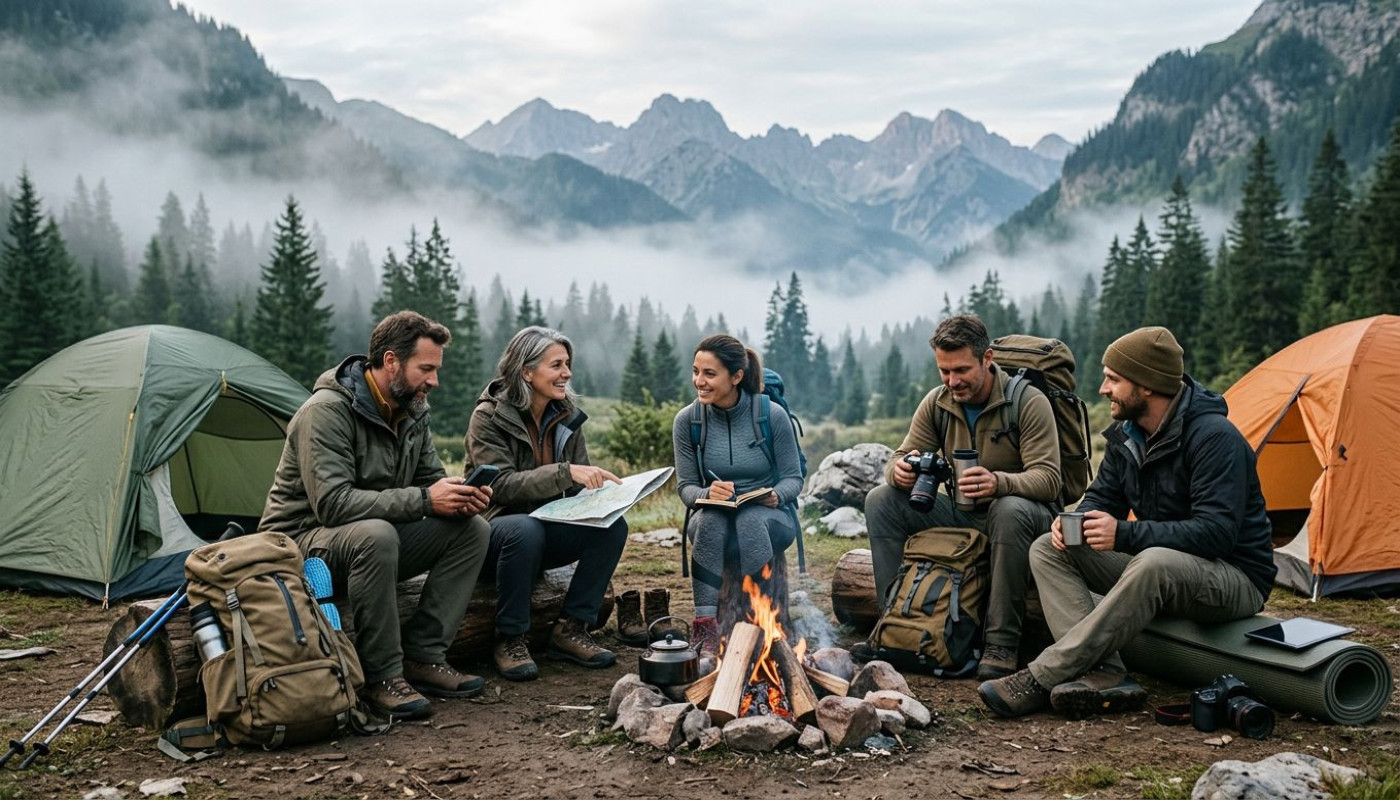
Slow travel offers a workaround that is not a hack, because it aligns with what policymakers are trying to achieve: dispersal in time and space. By staying longer, you can pick low-demand time slots, travel midweek, or build in rest days that double as crowd-avoidance buffers. You are also more likely to prioritise second-city and rural experiences that benefit from tourism without being overwhelmed by it, and that is where “unforgettable activities” often hide. Think of a community-run weaving cooperative rather than the busiest artisan market, a lesser-known archaeological site where you can actually hear the guide, or a multi-day trek that spreads impact across several villages instead of concentrating it at a single chokepoint.
This is not romanticism; it is strategy. The European Travel Commission has repeatedly highlighted crowding as a risk to destination appeal, and major tourism bodies increasingly talk about “regenerative” or “responsible” travel, because residents’ tolerance is finite. Slow travel’s advantage is that it turns the same budget into fewer, higher-quality interactions, and it encourages travellers to behave in ways that destinations are explicitly asking for: linger, learn, and spend locally rather than extracting quick photos. When you sit down for a long lunch in a neighbourhood restaurant, you are not just avoiding the midday crush at the cathedral, you are shifting economic value away from saturated hotspots and towards everyday businesses.
Money, carbon and the myth of “more”
Is slow travel always more expensive? Not necessarily, and in many cases the opposite is true once you stop counting only the headline price of accommodation. A fast trip has hidden costs: extra transport legs, baggage fees, last-minute taxis, higher-priced meals grabbed on the run, and the “because we’re here” upsell that thrives on scarcity of time. Staying longer in one place often unlocks weekly rates, apartment kitchens that reduce food spending, and simpler logistics that cut incidentals. Even when nightly costs are higher, total value can improve if you are paying for time that you actually use, rather than paying to sleep somewhere different every night.
Then there is carbon, which is no longer a fringe concern. Aviation remains one of the most carbon-intensive activities an individual can undertake, and while exact emissions depend on distance, load factors and aircraft type, the core reality is stable: the fewer flights, the lower your footprint. Trains, buses and shared ground transport are typically less carbon-heavy per passenger kilometre than flying, and slow travel naturally biases you toward those modes because you have time to take them. This matters not only ethically but also politically, as some countries and cities are debating or implementing measures that discourage short-haul flights, and as travellers face social pressure to justify frequent flying. A slower, longer trip can be a cleaner story: fewer take-offs, fewer transfers, and a clearer link between travel and meaningful engagement.
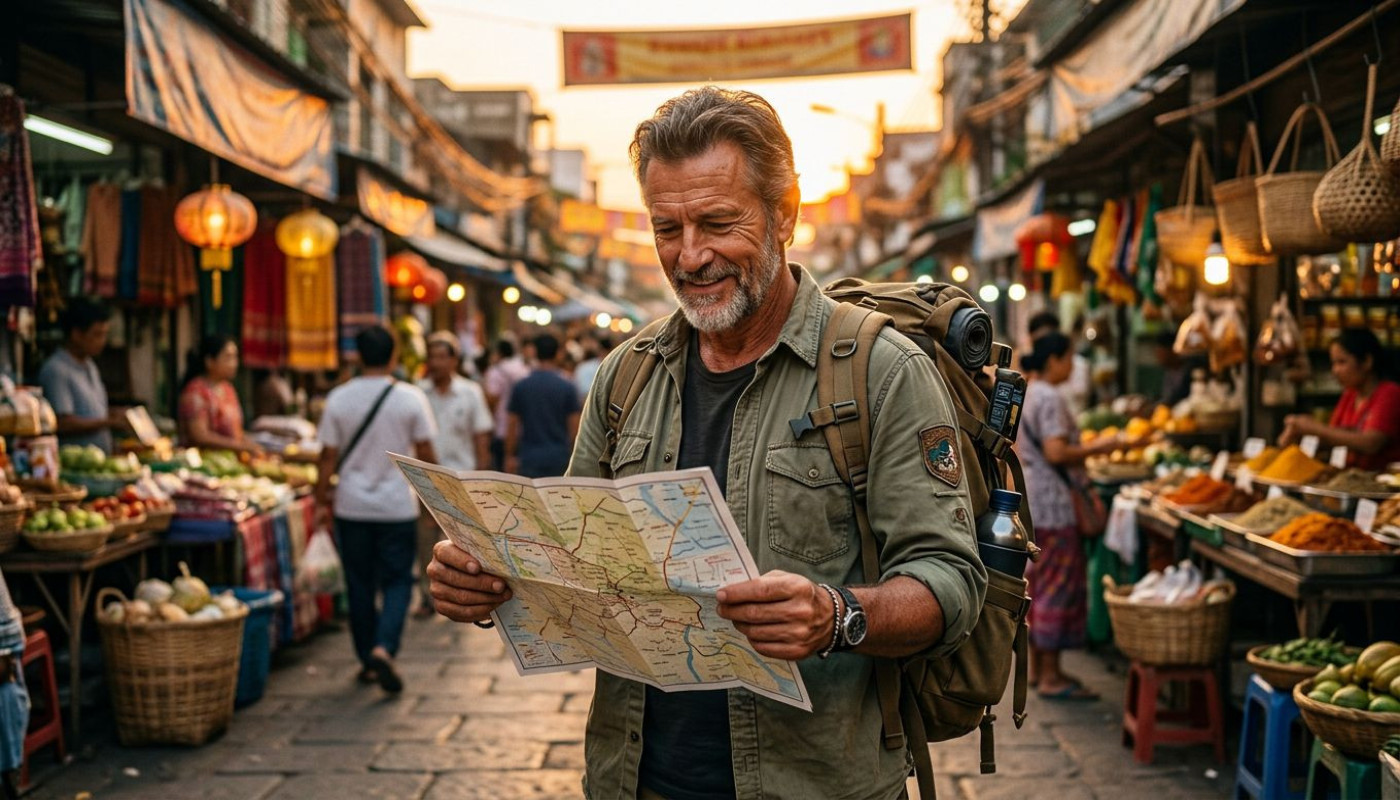
The myth that “more places equals a better trip” persists partly because social media rewards quantity: pins on maps, rapid-cut reels, a skyline per day. Yet travellers often report the opposite when surveyed informally: the standout moments are the ones with friction, surprise and human connection, not the ones with the most iconic backdrop. Slow travel increases the probability of those moments because it keeps you in the same social environment long enough for chance encounters to recur. A guide introduces you to their cousin who runs a small boat, you return to a market and the vendor remembers your order, you learn the bus route well enough to feel independent, and independence is a powerful amplifier of joy abroad.
Designing a slow trip that actually works
“Slow” does not mean unplanned, it means planned differently. The first step is to cap the geography, not the ambition: pick one region and treat it as a world, then build outward in circles. A useful rule is to choose a single anchor base for at least four or five nights, then add one secondary base only if overland travel is straightforward. That structure protects your time, and it also allows you to book a handful of high-demand activities early while leaving empty space for what you discover on arrival. The best slow itineraries are not empty; they are flexible, with two or three “musts” and room for everything else.
Next comes the activity mix. Aim for one “signature” experience that you will remember for years, one learning-based activity, and one low-stimulation day each week, because rest is not wasted time, it is what makes the highs feel high. In Peru, that might look like pairing a classic highlight with a community visit or a culinary focus, then giving yourself a day to simply walk, read and watch the city move. Operators and local specialists can help you stitch that together without over-engineering it; the key is to prioritise guides who work with local communities, respect conservation rules and understand seasonal conditions, because slow travel fails when it ignores reality. For travellers looking to build an itinerary around depth rather than speed, resources such as https://www.peru-spirit.com can be a starting point for exploring region-based routes and experiences that fit a longer, more grounded pace.
Finally, treat timing as a lever. Shoulder seasons can deliver the same landscapes with fewer crowds and lower prices, but they also come with trade-offs, from weather volatility to shorter opening hours, and a slow schedule gives you the buffer to adapt. Build in “weather insurance” days for outdoor activities, avoid stacking long travel days back-to-back, and plan at least one unbooked morning after every major excursion. Those small design choices are what convert the philosophy into a trip you can actually feel, and they are what make the activities abroad not just memorable, but yours.
How to book without rushing
Start with a realistic budget, then reserve only the capacity-limited experiences first, such as timed-entry sites and multi-day treks, and keep the rest flexible so you can follow local advice. If you qualify for student, youth or resident-style discounts where offered, check requirements early, and remember that staying longer often reduces daily costs through weekly lodging rates and fewer transport splurges.
Similar