Table of contents
Paris to Rome, Barcelona to Lisbon, Prague to Vienna: the classics still dominate travel feeds, and low-cost air routes keep them busy year-round. Yet, as crowds thicken and prices climb, more travelers are asking a blunt question, are the “must-do” itineraries still delivering what they promise? New booking data and on-the-ground accounts suggest a shift, not away from famous cities, but away from rigid, checklist travel. The surprise, for many, is where the best days actually happen: in the gaps, and sometimes in the places they almost skipped.
When the “must-sees” disappoint, fast
Be honest: how many iconic moments are spent in a queue? In 2024, Europe’s major tourism corridors kept absorbing the bulk of demand, and the pressure shows up in both pricing and visitor management. The European Travel Commission’s monitoring has repeatedly pointed to strong city demand despite rising costs, while many municipalities have moved to regulate short-term rentals and tourist flows, a policy response that itself signals strain on the classic circuit. In practice, that strain looks familiar to anyone who has tried to “do” a capital in 48 hours: timed tickets snapped up days ahead, crowded public transport at peak hours, and restaurants near landmarks priced for one-off footfall rather than repeat locals.
It’s not that the Louvre, the Colosseum, or Park Güell suddenly lost their power; it’s that the delivery mechanism has changed. The modern classic route is optimized for speed, and speed has a hidden cost, because it compresses everyone into the same windows. Airlines and rail make weekend hops easy, cruise calls intensify mid-day congestion in port cities, and social platforms steer newcomers toward a narrow set of identical photo angles. The result is a growing mismatch between expectation and experience, and it is showing up in behavior: more travelers now plan earlier, pay for skip-the-line access, and build itineraries around what they can secure rather than what they dreamt about.
That friction produces itinerary surprises, and not always pleasant ones. Travelers report “crowd fatigue” after just two or three heavily toured days, and the disappointment can land hardest on first-timers who saved for years. The classic route can also flatten a place into its greatest hits, and when a destination becomes a sequence of proof-of-visit moments, the city’s texture disappears. Many reflect afterward that their best memory was not a monument at all, but a late dinner in a residential neighborhood, a rainy afternoon in a museum they had never heard of, or an accidental conversation on a train platform.
The best days happen off the main line
Here’s the twist: travelers are not rejecting famous cities, they are rejecting famous schedules. Itineraries are increasingly built around quieter hours, lesser-known districts, and day trips that dilute pressure while deepening the experience. That shift aligns with how tourism boards themselves now talk about “dispersion,” spreading visitors beyond saturated hotspots, and it matches what many seasoned travelers have practiced for years: treat the headline sight as a single anchor, then let the rest of the day breathe.
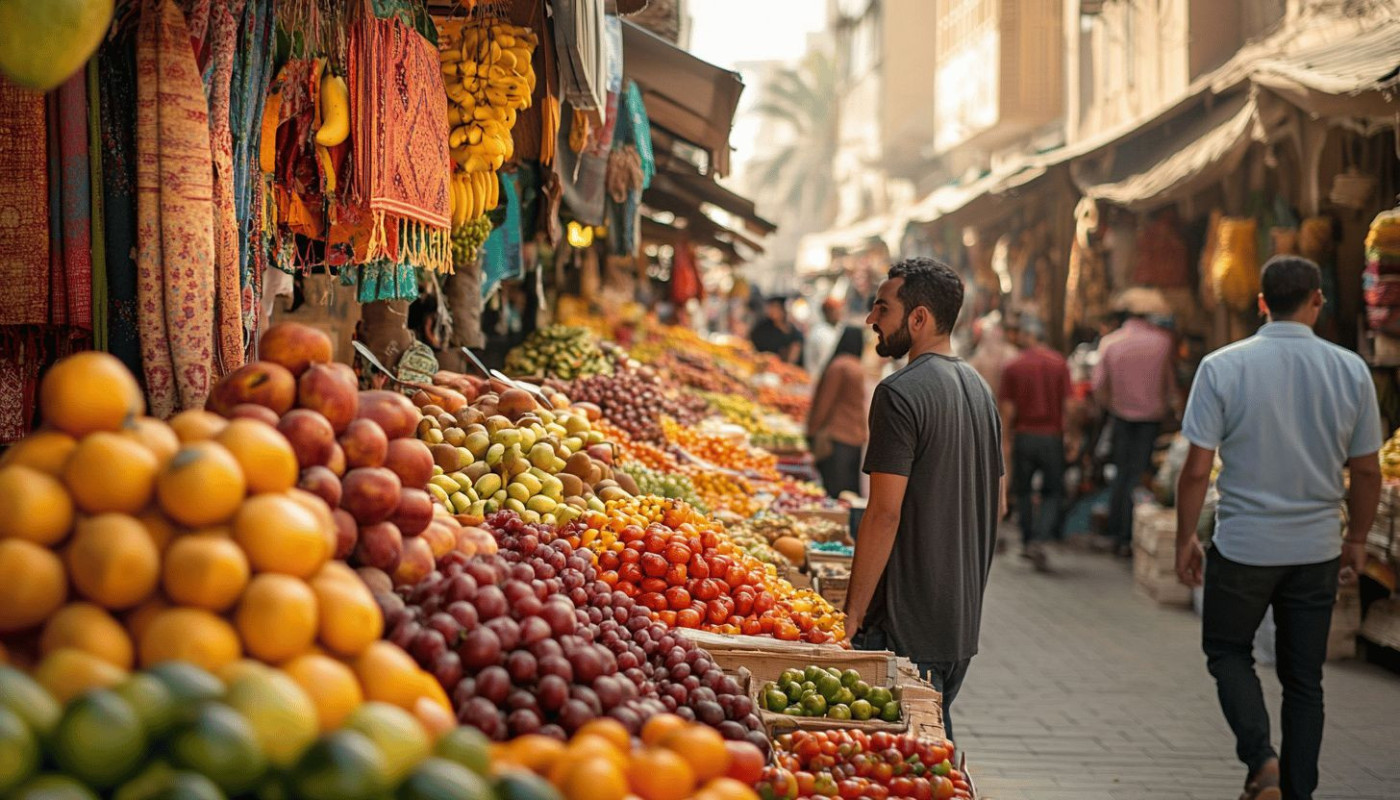
Concrete examples keep coming up. In Rome, visitors praise early morning walks across the Tiber more than another packed piazza at noon, and in Paris, they talk about neighborhood markets and small museums that never trend. In Lisbon, viewpoints away from the central miradouros become the difference between feeling like a visitor and feeling, briefly, like a local. The itinerary surprise, in other words, is that the emotional peak often arrives far from the supposed highlights, and it arrives because the traveler had time, and a bit of silence, and room for a city to reveal itself.
Data points reinforce why that matters. Longer stays tend to correlate with higher satisfaction, and while exact metrics vary by survey, the pattern is consistent across industry reporting: travelers who add even one extra night in a city reduce “transit stress,” spend more evenly across neighborhoods, and are more likely to try cultural experiences beyond the top three attractions. A one-night stop forces a punishing pace, whereas a three-night stay makes it possible to see one major landmark, one local area, and one “personal choice” activity, and that trio tends to be remembered more vividly than a sprint through every guidebook page.
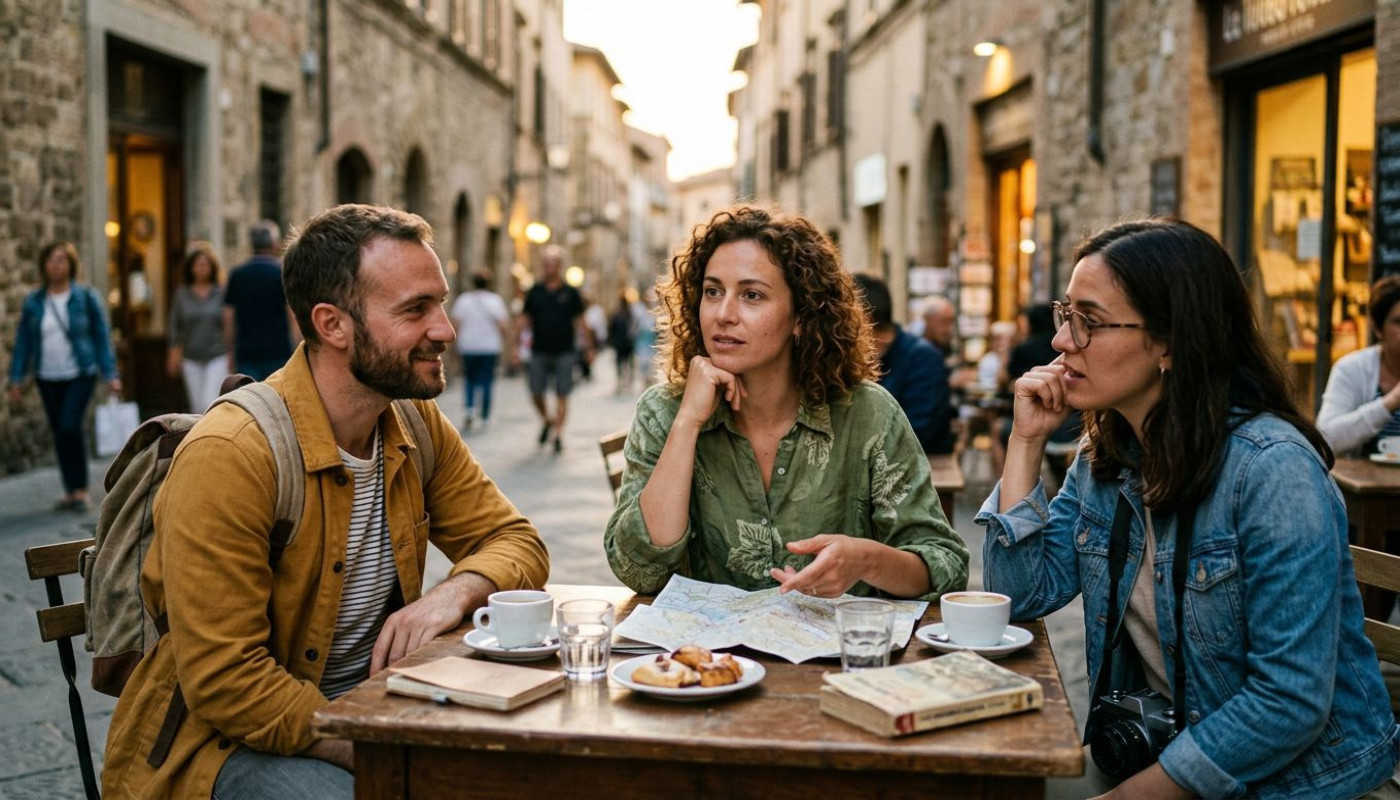
Even on classic routes, the most successful itineraries are now designed like a playlist, not a syllabus. One big track, then smaller discoveries, then a rest day or a half-day with no fixed endpoint. Travelers reflect that leaving room for weather, energy levels, and spontaneous recommendations is not laziness, it is strategy. The classic route becomes less overrated when it stops pretending every hour needs a trophy.
Why “secondary” cities feel fresher now
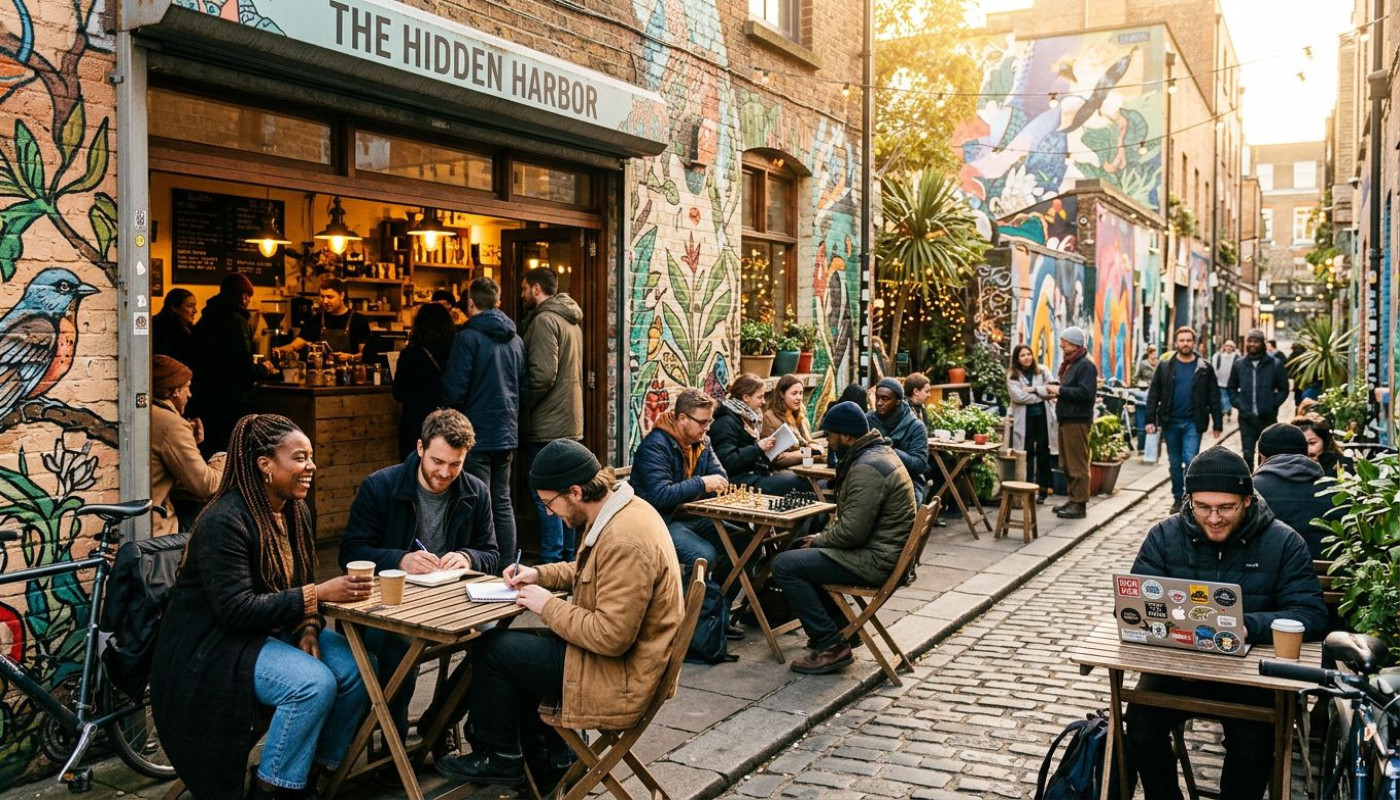
Sometimes the surprise is geographic. Secondary cities and overlooked capitals are benefiting from the spillover effect of overcrowded hubs, but also from a broader reappraisal of what makes a trip feel substantial. When travelers compare notes, they often describe the same dynamic: in the marquee cities, the center can feel curated for visitors, while in less-saturated places, everyday life still occupies the most beautiful streets. The sense of discovery is easier to find when your first coffee isn’t served beside a tour group.
Central and Eastern Europe illustrate the point. Major destinations such as Prague and Budapest remain extremely popular, yet many travelers now build itineraries that add an under-visited stop, or swap a single night in an expensive capital for two nights in a city where the budget stretches further. This is not only about saving money, it is about buying time, because lower nightly rates can translate into longer stays, and longer stays translate into better days. As European inflation has pushed up restaurant and accommodation prices in many hotspots, cost has become an itinerary shaper, and “classic” has started to mean “predictably pricey.”
There is also a cultural element: travelers want stories that are their own. A city that is less over-photographed gives them that, and the experience feels less pre-written. The surprise can be as simple as realizing that a destination with fewer “top ten” lists is easier to navigate, easier to eat well in without reservations, and easier to enjoy without performing tourism for an algorithm. Museums become calmer, riverbanks become places to sit, and public squares feel like civic spaces rather than staging areas.
For many, Warsaw is emblematic of this shift. The Polish capital has long been underestimated compared with the usual European circuit, yet it offers a compelling mix: a rebuilt Old Town recognized by UNESCO, a thriving contemporary food scene, major museums dedicated to the 20th century, and green spaces that run along the Vistula. Travelers who add it to a classic Central Europe loop often describe the same surprise, a city that feels lived-in, modern, and easier to read on foot than expected. Planning a few days is straightforward, and resources like https://www.warsaw-trip.com can help structure visits without turning them into a checklist, especially when the goal is to balance history, neighborhoods, and time to wander.
How travelers are rewriting itineraries in 2026
So what’s actually changing, right now? The clearest shift is toward “friction-aware” planning. Travelers accept that the classics come with constraints, and they design around them rather than hoping they disappear. They book timed-entry attractions first, then fill the margins with flexible options, and they build in recovery time because a city day that runs from 8 a.m. to midnight is rarely enjoyable for long. This approach is particularly common among families and older travelers, but younger travelers are adopting it too, partly because they are traveling more frequently and want trips that feel sustainable, not exhausting.
Another change is the rise of the neighborhood-based itinerary. Instead of hopping across a city to chase multiple landmarks, travelers choose a district and “live” there for a day: a museum in the morning, a long lunch, a park, a bookstore, and a dinner spot within walking distance. It’s a small design choice with big payoff, because it reduces commute time and increases the chance of serendipity, and it also spreads spending beyond the tourist core, which many cities quietly encourage. Classic routes become more tolerable when the traveler moves like a resident, not like a courier.
Travelers are also getting smarter about shoulder seasons. With climate volatility and heat waves shaping summer travel, spring and autumn are increasingly treated as premium windows, not compromise periods. That has consequences: classic cities may be crowded in April and October in ways they weren’t a decade ago, while winter trips, once considered niche, are gaining appeal for people who want museums, food, and atmosphere without the crush. The itinerary surprise in 2026 is often seasonal: the same city can feel like two different destinations depending on when you arrive, and more travelers now plan around comfort and pacing rather than the traditional school-holiday calendar.
Finally, there is a renewed appreciation for trains and night routes, not just as transport, but as a way to reclaim time. A well-timed rail journey can remove airport friction, and it can turn the “gap” between cities into part of the story. Travelers reflect that the classic route is only overrated when it is treated like a race, and it becomes rewarding again when it is treated like a sequence of chapters, each with room to unfold.
Practical ways to make classics worth it
Here is the pragmatic takeaway: keep the icons, but stop worshipping the itinerary. Choose one or two headline sights per day, book them early, then protect the rest of the schedule for neighborhoods, meals, and pauses. Budget realistically for timed tickets and peak-season accommodation, and consider shifting one night from a saturated hub to a nearby or “secondary” city where prices are lower and the experience is calmer. If you qualify, check national and municipal museum discounts, and look for rail passes or city cards only after you’ve mapped what you will truly use.
To avoid unpleasant surprises, reserve key restaurants in advance in the most visited cities, and keep at least one flexible, weather-proof option each day, such as a museum cluster or covered market. Above all, leave space, because the best travel stories still happen when plans loosen, and the classic route, approached with restraint, can feel classic for a reason.
Similar