Table of contents
Overtourism has pushed travellers to look past the obvious, and in many European city breaks, the “must-sees” now come with queues, timed tickets, and crowded photo spots, while the most memorable moments still happen in quieter corners, at off-peak hours, and through activities locals actually choose on their days off. The good news is that these experiences are not reserved for insiders, and with a bit of timing, curiosity, and smart planning, the secret side of a trip becomes surprisingly accessible.
Skip the crowds, keep the thrill
Who said the best memories need a landmark? In city after city, visitors concentrate around the same clusters, and the result is predictable: bottlenecks at peak hours, higher prices for convenience, and a sense that you are consuming a checklist rather than living a place. The alternative is not to “do nothing”, it is to shift the axis of the day, and to aim for activities that deliver adrenaline or wonder without forcing you into the tourist stream. Think twilight walks, off-hour viewpoints, and venues where residents go because they want to, not because a guidebook told them to.
Start with timing, because it is the easiest lever to pull, and it changes everything. Early mornings bring a different city, with cleaner soundscapes, more space, and better light, while late afternoons often offer the best compromise between energy and calm. In practice, that means booking your most movement-heavy activity before 10 a.m., then saving museums or indoor stops for midday, when crowds swell and the weather is least forgiving. It also means reconsidering weekends: in many destinations, Saturdays and Sundays are when local leisure meets visitor surges, so a Monday morning can feel like a private opening even in popular districts.
Then, look for “thrill by design” rather than “thrill by crowd”. Urban kayaking, for example, is booming in several European capitals, and it is not only for athletes; operators typically offer stable craft, short safety briefings, and routes that glide under bridges and past industrial architecture that rarely appears on postcards. Night cycling tours, meanwhile, tend to attract smaller groups, and because traffic and footfall drop after dinner, the ride feels calmer and the city feels cinematic. Even indoor options can be unexpectedly local: climbing gyms, bouldering halls, and skate parks are social spaces, and paying for a session is often cheaper than yet another ticketed attraction, while still delivering a story you will want to tell.
Data backs up this pivot toward experience and timing. The European Travel Commission has repeatedly noted that travellers are increasingly motivated by “authentic experiences” and are actively seeking to avoid overcrowded hotspots, and while “authentic” is an overused word, the behavioural shift is real: people are rearranging itineraries to prioritise hands-on activities, smaller groups, and neighbourhood life. The tactic is simple, and it works across budgets: choose one high-energy activity per day, place it outside the peak hours, and build the rest of the schedule around nearby, low-friction stops, so you spend more time doing and less time commuting.
Neighbourhoods whisper their best stories
Want the city to talk back? The easiest way to feel like a temporary local is not to chase a secret bar password, it is to spend sustained time in one neighbourhood, and to let small, repeated signals guide you: where people queue for bread, which park benches are occupied at lunch, and which corner shop stays busy long after the souvenir stalls close. These are the places where the city’s everyday identity lives, and they reward the kind of slow attention most weekend breaks forget to budget for.
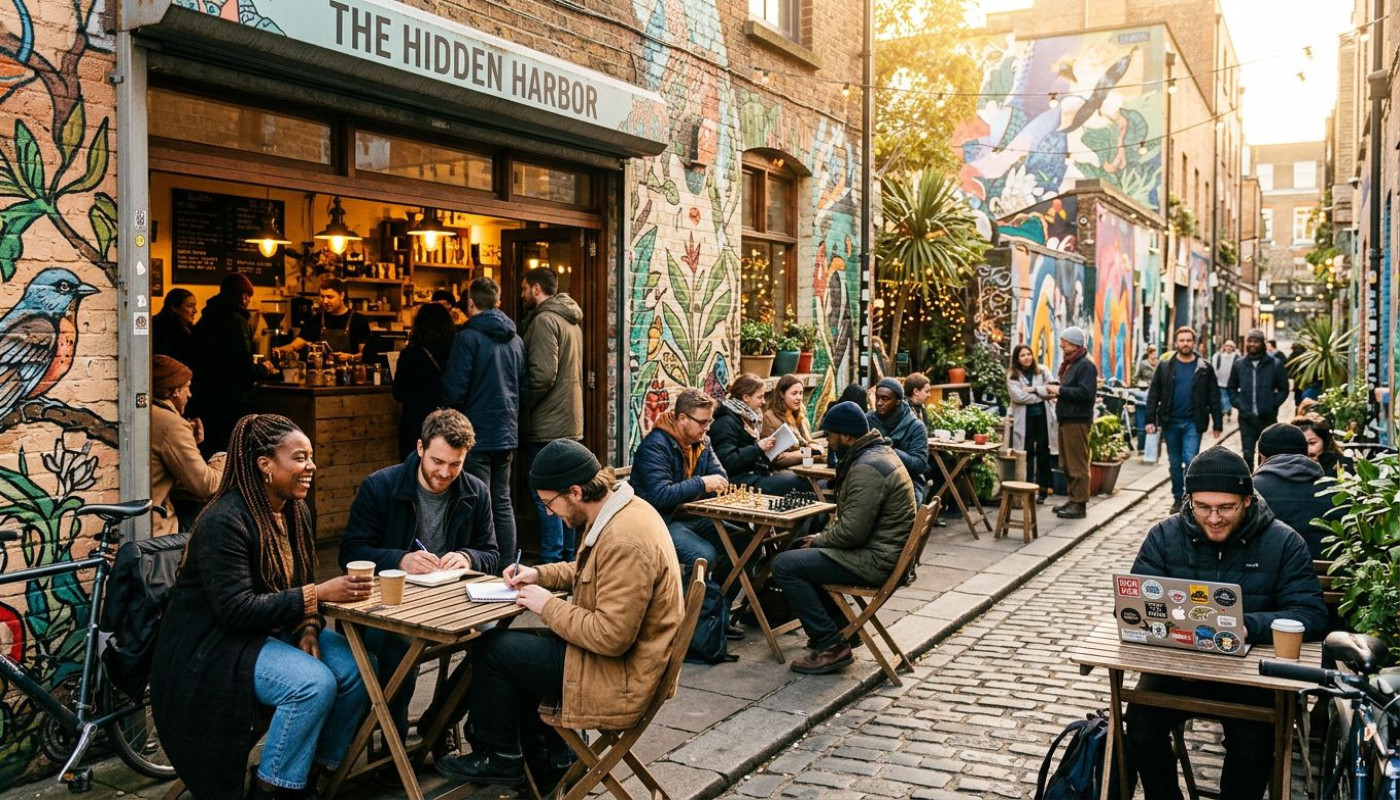
One proven method is the “three-stop loop”: pick a neighbourhood outside the central monument belt, choose a café for breakfast, a market or high street for midday grazing, and a pub or small restaurant for the evening, and then connect them on foot, with one cultural stop in between. The loop matters because it anchors you, reduces decision fatigue, and increases the chance of spontaneous discoveries, whether it is a street mural you would never have searched for, a tiny bookshop running an author event, or a community hall hosting an exhibition. If you want a practical planning shortcut, use local transit maps rather than tourist maps, and aim for areas where residents can realistically commute, because those districts tend to have better-value food, more reliable opening hours, and fewer “tourist-only” businesses.
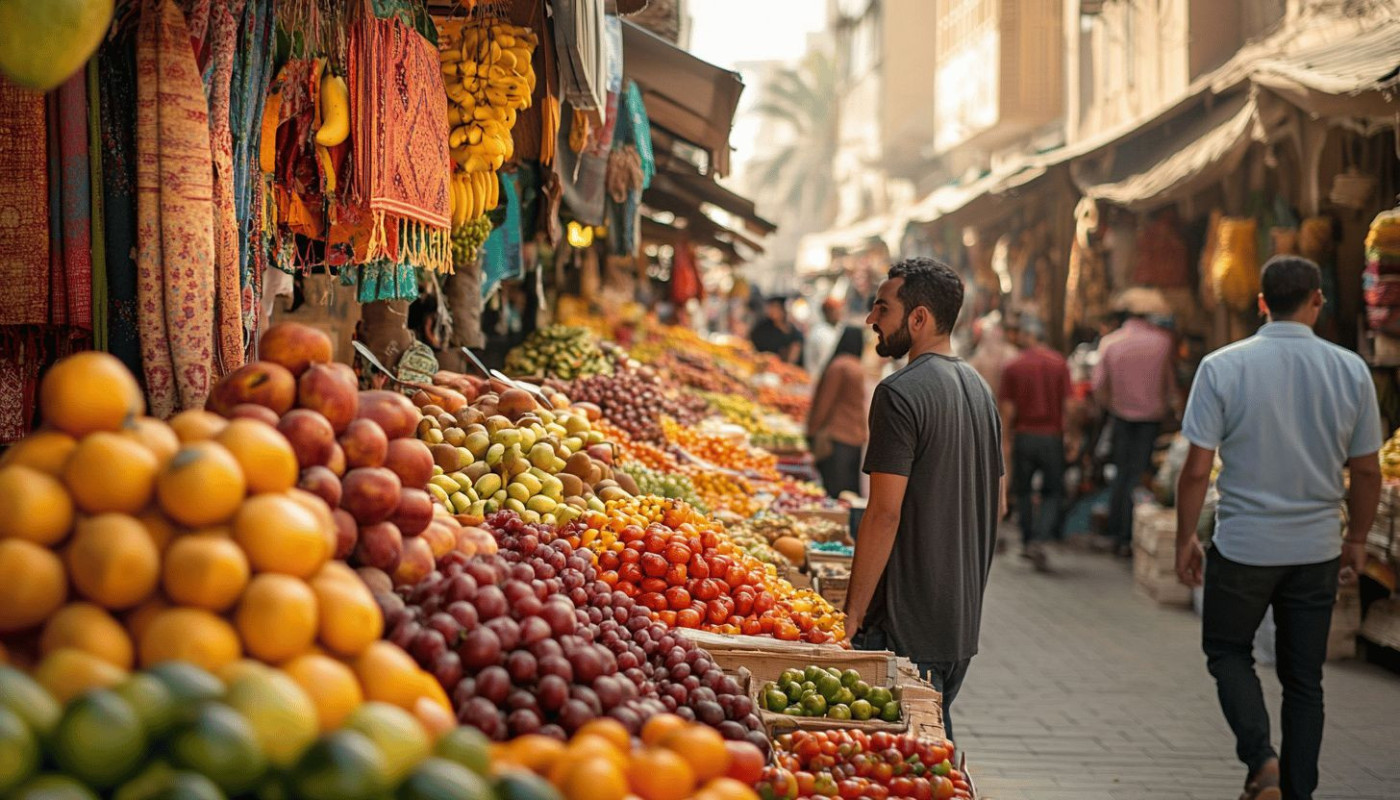
Markets deserve special attention, because they compress local life into a single, information-rich space. Beyond the obvious tasting potential, they are also a live index of what is seasonal, what is affordable, and what people are actually cooking. The trick is to arrive with a question, not a camera: ask a vendor what is best today, what locals buy for dinner, or how to eat a particular item at home. In many cities, market halls are also being revitalised as mixed-use spaces, with craft stalls, music nights, and community workshops, and those calendar events are often advertised on chalkboards, not on global platforms.
Neighbourhood exploration also plays well with the current realities of travel budgets. With accommodation prices under pressure in many urban centres, visitors are increasingly looking for value in food, transport, and activities, and neighbourhood-based days tend to be cheaper because you are not paying the “centre premium” at every stop. You walk more, you spend less on taxis, and you replace one expensive, time-slotted attraction with several low-cost experiences that fill the day more naturally. The payoff is not only financial; it is emotional, because by the second or third visit to the same street, faces become familiar, and the city stops feeling like a stage set.
Follow the music, not the checklist
Nothing reveals a place faster than its sound. Big attractions photograph well, but a live gig, a rehearsal room, or even a community choir in a modest venue can explain more about a city’s character than an hour of signage behind glass, and it does so in a way that feels shared rather than consumed. For travellers, the opportunity is to treat culture as something happening now, and not merely something archived.
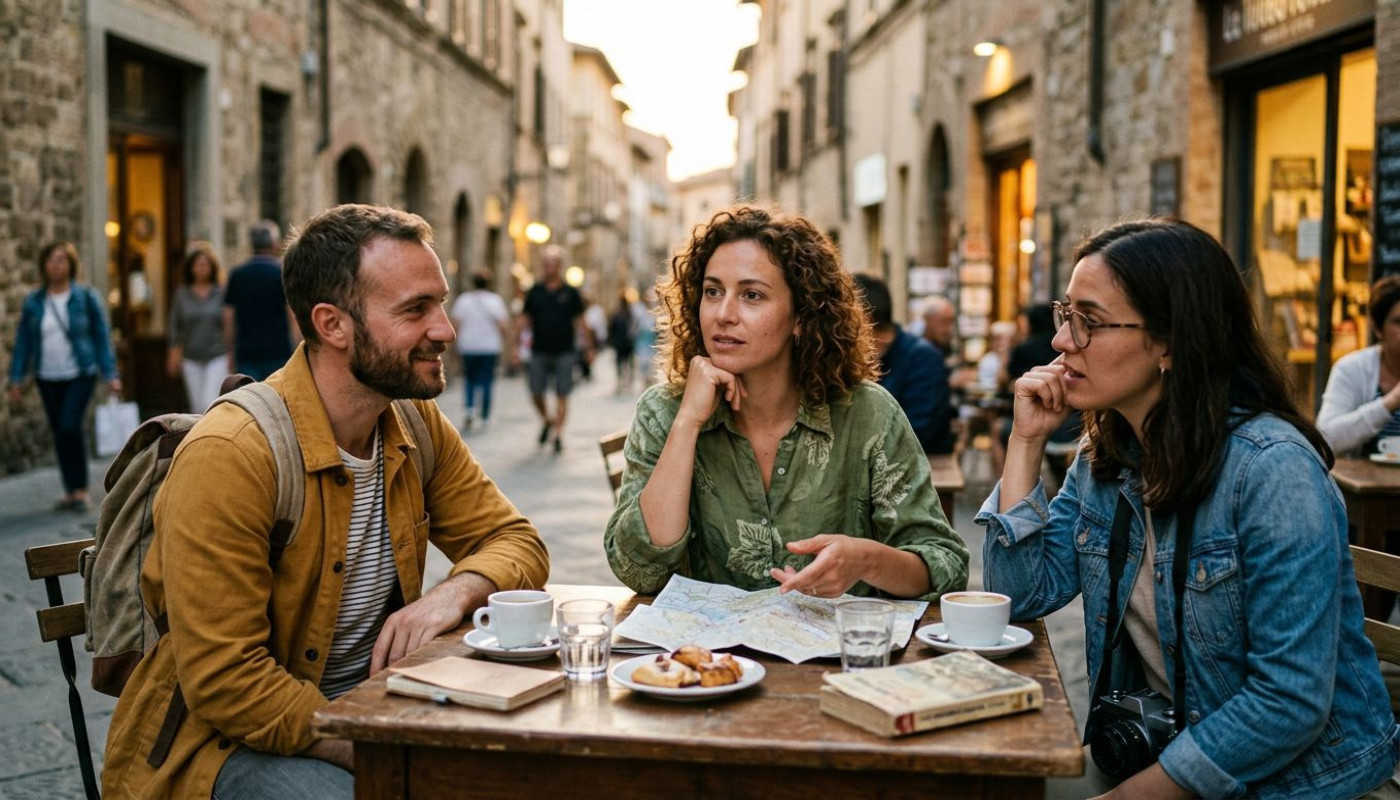
Start with listings that locals use, and accept that the best nights are often unglamorous on paper. Small venues frequently host touring acts on weekdays, open-mic nights, jazz sessions, and emerging bands, and because these events are embedded in neighbourhood routines, they tend to be better value, with lower ticket prices and shorter queues. The key is to plan lightly: pick one or two evenings where you commit to a performance, and keep the rest flexible, so you can follow recommendations from bartenders, shop owners, or your accommodation host. If you are travelling in a pair or a small group, agree in advance on a “yes policy” for one spontaneous cultural detour, because the hardest part is often not finding the event, it is giving yourself permission to change the plan.
For a deeper angle, look beyond concerts to participatory culture. Dance classes aimed at beginners, short drumming workshops, or theatre readings open to the public can be booked like activities, and they have a social advantage: you are not merely watching locals, you are doing something alongside them. Many cities also run public cultural programmes that visitors overlook, such as lunchtime recitals, library talks, or exhibitions in civic buildings, and these are often free or low-cost, funded to keep culture accessible. It is the opposite of the “hidden speakeasy” trope, and that is precisely why it works.
If you are building an itinerary around a music-first mindset, it helps to be strategic with logistics, especially in destinations where nightlife is concentrated in specific corridors. Check the last public transport times, and do not assume ride-hailing will be cheap at closing time; in many cities, surge pricing turns a modest night out into a costly return. Booking a late-night show near your base, or choosing accommodation with a direct transit line, can be the difference between enjoying the encore and leaving early to avoid stress. When you need a starting point to map out experiences, neighbourhoods, and cultural options with clear practical details, https://www.liverpool-trip.com/ can help you structure the trip without defaulting to the same tired checklist.
Micro-adventures make the day feel bigger
Small detours, big payoff. The most “local-approved” travel hack is not a secret address, it is the willingness to add a micro-adventure that changes the texture of the day, whether that means a short ferry ride, a sunrise viewpoint, a park run, or a cold-water dip where it is safe and customary. These activities are short, often inexpensive, and disproportionately memorable, because they create a sense of achievement between the main stops.
Water is a classic multiplier. In many cities, the river, canal, or coastline is treated by residents as a recreational corridor, and visitors can tap into that simply by choosing movement over monuments. A commuter ferry can double as a sightseeing cruise at a fraction of the cost, and it comes with an added benefit: you see how the city connects, where people actually live, and how industrial zones, housing, and leisure spaces meet. If you prefer dry land, urban hikes are another underused option, especially where former rail lines, greenways, or ridge walks cut across the city; they offer long sightlines, pockets of calm, and a way to earn your dinner in the best possible sense.
Food can be a micro-adventure too, provided you treat it as exploration rather than a reservation race. Instead of one “famous” restaurant, build a progressive meal, and sample small portions across several places: a bakery for something warm, a market stall for something savoury, a specialist shop for a regional snack, and a final sit-down for a drink and a plate. This spreads risk, keeps you mobile, and reduces the frustration of sold-out spots, while still letting you chase quality. The tactic also works for travellers with dietary constraints, because you can test options in smaller doses, and adjust quickly without sacrificing the day.
Finally, embrace the idea that not every highlight is loud. A cemetery walk that doubles as an art and history tour, a bookshop that curates local authors, or a small gallery that hosts emerging talent can anchor a quieter afternoon, and the contrast makes the rest of the itinerary feel sharper. The secret side of a trip is rarely a single hidden gem; it is the accumulation of choices that prioritise texture, timing, and human-scale places, and once you travel that way, it becomes hard to go back to the queue.
Plan it like a local weekend
Book one anchor activity early, then leave breathing room for neighbourhood time and a live event, and keep a clear budget line for transport after dark, because late returns can cost more than tickets. Reserve key slots a week ahead in peak season, and check city or regional schemes for discounts, youth rates, and cultural passes.
Similar